
Understanding Resilience: What It Is and Why It Matters
Resilience, in psychological terms, refers to the capacity to recover quickly from difficulties and adapt positively to challenges. It is not merely about enduring stress but encompasses the ability to navigate through adversities while maintaining mental health and emotional stability. This vital capability allows individuals to cope with stressors that life throws their way, such as personal losses, professional setbacks, or significant changes in one’s circumstances.
The significance of resilience cannot be overstated. It plays a pivotal role in protecting mental health and fostering well-being. Individuals who exhibit strong resilience are more apt to process and engage with negative experiences constructively. Research suggests that those who possess resilience are better positioned to bounce back from hardships, which translates into overall improved quality of life. In light of escalating stressors prevalent today—from economic fluctuations to social isolation—developing resilience becomes increasingly essential.
Several key components underpin resilience. Emotional awareness is a fundamental aspect; understanding and managing one’s emotions contributes to the ability to respond effectively to stress. Additionally, positive thinking enhances one’s outlook, enabling individuals to frame challenges as opportunities for growth rather than insurmountable obstacles. Moreover, fostering strong social connections creates a network of support that can provide encouragement and assistance during difficult times, further buffering against stress. Together, these elements contribute significantly to an individual’s resilience, allowing them to thrive even when faced with severe challenges.
The Science Behind Resilience: Psychological and Biological Factors

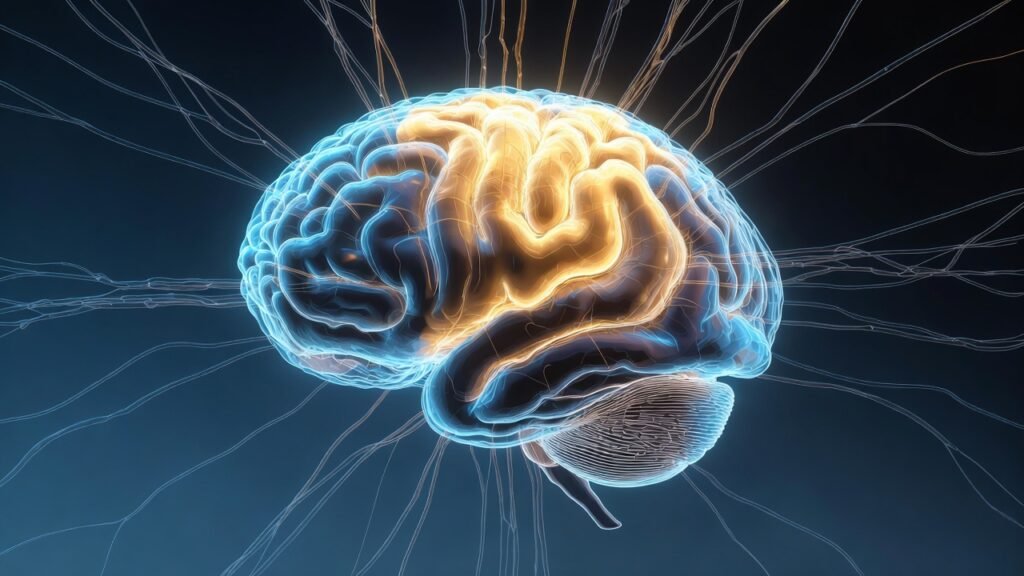
Resilience is a multidimensional construct that is significantly influenced by both psychological and biological factors. Psychological resilience is the capacity to mentally or emotionally cope with a crisis or return to pre-crisis status quickly. At the core of psychological resilience are the concepts of neuroplasticity and mindset. Neuroplasticity refers to the brain’s ability to reorganize itself by forming new neural connections throughout life. This adaptability underlies our capacity to learn from experiences, overcome challenges, and build resilience. Studies have shown that individuals with a growth mindset, who believe that skills and intelligence can be developed, demonstrate higher levels of resilience. They view setbacks as opportunities for growth rather than insurmountable obstacles, enabling them to adapt more effectively in the face of adversity.
On a biological level, the stress response system plays a pivotal role in how individuals respond to challenging situations. The activation of the hypothalamic-pituitary-adrenal (HPA) axis initiates a cascade of hormonal responses that prepare the body to handle stress. Elevated levels of cortisol, a stress hormone, can influence behavior and emotional health. Chronic stress, however, can lead to maladaptive responses, hindering resilience. Research indicates that individuals with a well-regulated stress response system tend to recover more adeptly from stressors, exhibiting enhanced resilience.
Genetic factors also contribute to resilience. Certain genetic markers have been associated with the ability to thrive under pressure. Additionally, the environment plays a crucial role; supportive relationships and positive social interactions can bolster resilience, enhancing an individual’s ability to navigate difficult circumstances. In conclusion, the interplay between psychological factors, biological responses, genetics, and environmental influences is essential in understanding resilience and its development, providing insights into how individuals can cultivate mental toughness even in trying times.
Practical Strategies for Building Mental Toughness

Developing mental toughness is a multifaceted approach that involves both psychological techniques and lifestyle choices. One effective strategy is cognitive restructuring, which entails recognizing and challenging negative thoughts. By actively reframing these thoughts into more positive or realistic ones, individuals can enhance their mental resilience. For instance, rather than saying “I can’t handle this stress,” one might reformulate it to “I have dealt with challenges before, and I can find a way through this too.” This simple shift can significantly affect one’s overall mental fortitude.
Mindfulness practices play a crucial role in promoting mental toughness as well. Engaging in regular mindfulness exercises, such as meditation or deep breathing, can help individuals remain present and focused, reducing anxiety related to past failures or future uncertainties. Establishing a daily routine that incorporates these practices aids in fostering a sense of calm and clarity, which is essential during tough times.
Goal-setting is another invaluable strategy. By setting specific, measurable, attainable, relevant, and time-bound (SMART) goals, individuals can create a structured path towards achieving resilience. Breaking larger goals into smaller, manageable steps can also provide a sense of accomplishment and encourage further progress. For example, someone aiming to improve their fitness may start with short workouts and gradually increase duration and intensity.
Lastly, maintaining physical health significantly supports mental toughness. Regular physical activity, a balanced diet, and adequate sleep not only bolster physical well-being but also enhance mood and cognitive function. Regular exercise releases endorphins, which are natural mood lifters, thereby helping individuals respond more effectively to stress.
Incorporating these strategies—cognitive restructuring, mindfulness, goal-setting, and a focus on physical health—into daily life can profoundly influence one’s capacity for resilience, enabling individuals to navigate challenges with improved mental toughness.
The Importance of Community and Support Systems in Resilience

Community and social support systems play a vital role in fostering resilience among individuals facing challenges. These networks, comprising family, friends, peers, and even professional relationships, can provide not only emotional backing but also practical resources essential for navigating difficult situations. The relationships we cultivate often serve as a buffer against stress, amplifying our capacity to cope with adversity effectively. When we experience hardship, these support systems can offer a sense of belonging and reassurance, reinforcing our mental toughness.
Furthermore, the impact of social isolation on resilience is profound. Individuals who lack social connections often report higher levels of stress, anxiety, and depression. The absence of a supportive community can lead to feelings of loneliness and helplessness, which can ultimately hinder one’s ability to bounce back from hardship. Conversely, engaging with supportive social networks helps individuals gain different perspectives on their challenges, which can lead to more effective problem-solving and coping strategies. Social interactions enable us to share our experiences, validate our feelings, and learn from others, significantly enhancing our resilience.
Cultivating these support systems, therefore, is essential. This can be achieved through active engagement in community activities, establishing regular communication with loved ones, or seeking professional support when necessary. Helping others also promotes resilience; by providing support to those in need, individuals can experience a greater sense of purpose and fulfillment. This reciprocal exchange reinforces social bonds and strengthens the community as a whole. Through the cultivation of strong relationships and support systems, we can enhance our collective resilience, improving our ability to face life’s adversities with confidence and resolve.
the ability to navigate through adversities is the foundation of rising strong and maintaining your emotional stability during tough times.