

The Science of Attraction: What Draws Us to Our Soulmates?
Attraction is a complex interplay of psychological and biological factors that influence our relationships, particularly those we consider soulmates. Research suggests that physical appearance plays a vital role in initial attraction; features considered conventionally attractive are often associated with positive traits in an individual. This phenomenon can be traced back to evolutionary psychology, where certain attributes may signal health and genetic fitness, thus making individuals more appealing as potential partners.
Pheromones, which are chemical signals released by the body, also significantly impact attraction. They can influence our subconscious perceptions of another person, making them seem more alluring even before conscious judgments are made. Studies indicate that individuals may be subconsciously attracted to partners whose pheromonal signatures are genetically different, thereby promoting genetic diversity within offspring.
Beyond mere biological impulses, psychological factors like similarity and proximity also contribute to forging deeper bonds between soulmates. Individuals are often drawn to partners with similar values, interests, and backgrounds, as this commonality fosters comfort and understanding. The mere exposure effect, a psychological phenomenon where people tend to develop a preference for things simply because they are familiar, further explains why being around certain individuals increases romantic attraction.
Environmental factors, such as shared experiences or settings in which we meet, also play a crucial role in soulmate attraction. When two people engage in activities that ignite their passions or hobbies, their mutual interests can create a sense of connection and intimacy that fosters relationship growth. The blend of these psychological influences and biological drives underscores the multifaceted nature of attraction.
In conclusion, the science of attraction is a captivating subject that weaves together our biological instincts, psychological preferences, and social contexts, ultimately guiding us toward our soulmates.
The Role of Emotional Connection in Finding Your Soulmate

When exploring the concept of soulmates and attraction, it becomes imperative to understand the pivotal role of emotional connection in forming these profound relationships. Emotional connection, often described as a deep sense of understanding and empathy between individuals, fosters an environment conducive to intimacy. In soulmate relationships, emotional intelligence plays a crucial role. This refers to an individual’s ability to recognize, understand, and manage their own emotions as well as the emotions of others. Individuals with high emotional intelligence tend to build more meaningful relationships, as they can navigate the complexities of their feelings and those of their partners.
Vulnerability is another significant aspect when discussing emotional connections in soulmate relationships. Allowing oneself to be open and honest about personal fears, dreams, and insecurities cultivates a sense of trust. This openness not only enhances communication but also deepens the emotional bond between partners. In fact, many of the strongest soulmate connections stem from shared experiences that evoke a range of emotions, whether joy, sadness, or growth. These experiences serve as foundation stones in the relationship, solidifying the partnership through mutual reliance and shared understanding.
Moreover, the emotional connection established in soulmate relationships contributes to a sense of belonging. When individuals perceive their partners as emotionally attuned and empathetic, it heightens their overall experience of love and attraction. Hence, cultivating strong emotional connections is essential for identifying a soulmate. Authentic interactions based on respect, understanding, and shared experiences create a powerful bond that can withstand the test of time.
The Impact of Shared Life Experiences on Soulmate Bonds

The idea that shared life experiences foster deeper connections between individuals is a prominent theme in understanding the dynamics of soulmate relationships. Research suggests that couples who navigate significant life events together cultivate a profound sense of trust, empathy, and camaraderie. This phenomenon is often observed in soulmate pairings where both partners face challenges such as illness, loss, or even joyous occasions like weddings and the birth of children. Such experiences not only test but also reinforce their emotional bond.
For example, couples who withstand adversity together — be it a financial crisis or a family emergency — often report an increase in relationship satisfaction. This is likely due to the emotional support they provide each other during tough times, leading to a reinforced sense of partnership. Overcoming difficulties can shape their connection, making it more resilient and enduring. Similarly, engaging in shared adventures, such as traveling or exploring new activities together, can create lasting memories that fortify their bond. The thrill and excitement of experiencing something new can enhance feelings of attraction and love, essential components in soulmate relationships.
Anecdotal evidence abounds from couples who credit their strong soulmate connection to shared experiences. For instance, a couple who recently faced the trials of relocating to a new city together expressed that the challenges they encountered made them feel more attuned and synchronized. They emphasized that such shared experiences cemented their commitment and reinforced their perception of each other as soulmates.
In conclusion, the evidence supports the notion that shared life experiences play a crucial role in the formation and strengthening of soulmate bonds. These experiences serve as pivotal moments that shape emotional intimacy and connection, underscoring the psychological facts about soulmates and attraction. Couples who intentionally seek out shared experiences may discover deeper layers of understanding and affection, enriching their soulmate journey.
Psychological Theories Surrounding Soulmates: Fate vs. Choice
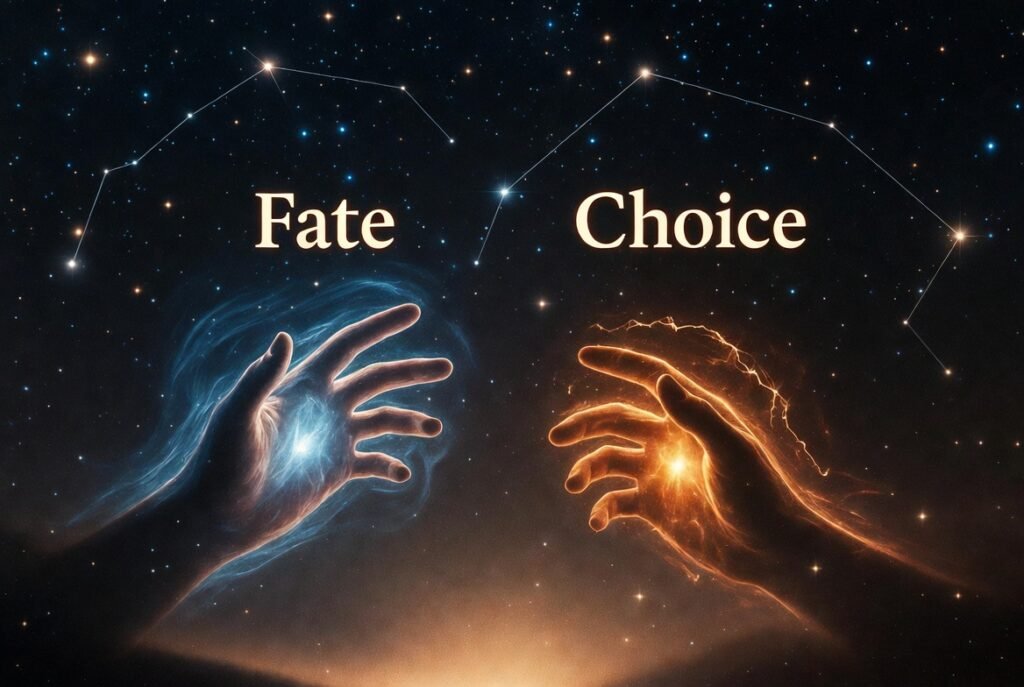
The debate surrounding the existence of soulmates often hinges on whether these connections are the result of fate or personal choice. On one hand, the concept of fate suggests that certain relationships are predetermined, that individuals are meant to meet, and that there is a cosmic alignment guiding them toward their perfect partner. Supporters of the destiny perspective may reference phenomena such as the ‘law of attraction’, which posits that like attracts like. They argue that the energy one emits can draw a soulmate closer, encapsulating the notion that love transcends mere chance.
Conversely, the choice theory argues that individuals have the power and agency to choose their partners, suggesting that attraction is a conscious decision rather than a preordained event. This perspective emphasizes the importance of interpersonal dynamics and the conscious efforts required to cultivate a lasting connection. Here, the emphasis is on the relationships we form through shared interests, values, and experiences, suggesting that anyone can be a soulmate based on the choices made in relationships.
Additionally, many misconceptions about soulmates arise from the romanticized narratives often portrayed in media. The idea that soulmates are perfect matches can lead to unrealistic expectations, potentially causing dissatisfaction in relationships. Instead, understanding that a soulmate is someone with whom one can build a strong connection, despite imperfections, brings a more accurate viewpoint to attraction and relationships.
Ultimately, whether one leans toward the belief in fate or choice, it is essential to recognize how these beliefs shape our experiences in finding soulmates. Each perspective holds valuable insights into the intricate nature of love and attraction, and by exploring these theories, individuals can gain a deeper understanding of the meaningful connections they seek.