

Understanding Setbacks: The Nature of Challenges
Setbacks are inherent to the human experience, manifesting in various forms throughout one’s life. They may arise from personal failures, such as unmet goals, or external circumstances beyond our control, such as job loss, illness, or relationship issues. These challenges can generate a significant psychological impact, leading to feelings of defeat, confusion, and loss of motivation. It is essential to recognize that experiencing setbacks is not an indication of weakness; rather, it is a universal phenomenon encountered by everyone.
From a psychological perspective, the aftermath of a setback can be multifaceted. Individuals often grapple with a surge of negative emotions that can obscure their ability to regain a sense of control. Depression, anxiety, and self-doubt frequently accompany these experiences, as people question their abilities and worth. A setback can lead to a disconnection from one’s usual motivation and passion, rendering the pursuit of goals seem daunting or unachievable. Understanding this emotional landscape is crucial when considering how to reclaim your power after a setback.
Common reasons for setbacks often include misjudgment, lack of preparation, or unforeseen events that disrupt our plans. However, it is vital to view these experiences through a lens of growth. Setbacks can serve as important learning opportunities, prompting deeper self-reflection and resilience. They challenge our previous notions of success and failure, encouraging us to adapt and innovate as we navigate life’s complexities. By acknowledging the nature of setbacks, we can develop healthier coping mechanisms and strategies that assist in how to reclaim your power after a setback, ultimately emerging stronger than before.
Reframing Your Mindset: From Victim to Victor

In the journey to reclaim your power after a setback, the role of mindset cannot be underestimated. How one perceives challenges greatly impacts their ability to respond effectively. Understanding that setbacks are a part of life can facilitate a shift from seeing oneself as a victim of circumstance to recognizing personal agency. Cognitive reframing is a powerful technique that enables individuals to reinterpret their experiences, transforming apparent failures into opportunities for growth and learning.
One practical method to promote this perspective shift is gratitude journaling. By regularly noting down things one is grateful for, individuals can cultivate a more appreciative outlook on their lives. This practice helps to highlight the positive aspects, even in difficult situations, fostering resilience and optimism. For example, when faced with a setback, instead of dwelling on what went wrong, write down the lessons learned and the support received from others. This allows one to see the situation not merely as a defeat but as a learning experience.
In addition to journaling, positive affirmations serve as another effective technique for shifting the mindset. Affirmations such as “I am capable of overcoming challenges” or “Every setback is a setup for a comeback” can reinforce an empowering self-image. By regularly repeating these statements, individuals can gradually redefine their self-narrative and embrace a more constructive view of their circumstances.
Ultimately, reframing one’s mindset is about recognizing that setbacks do not define us; rather, they are part of the process of growth. By intentionally changing the way we view our experiences, we position ourselves to reclaim our power and view challenges as stepping stones on the path to success.
Practical Steps to Reclaim Your Power
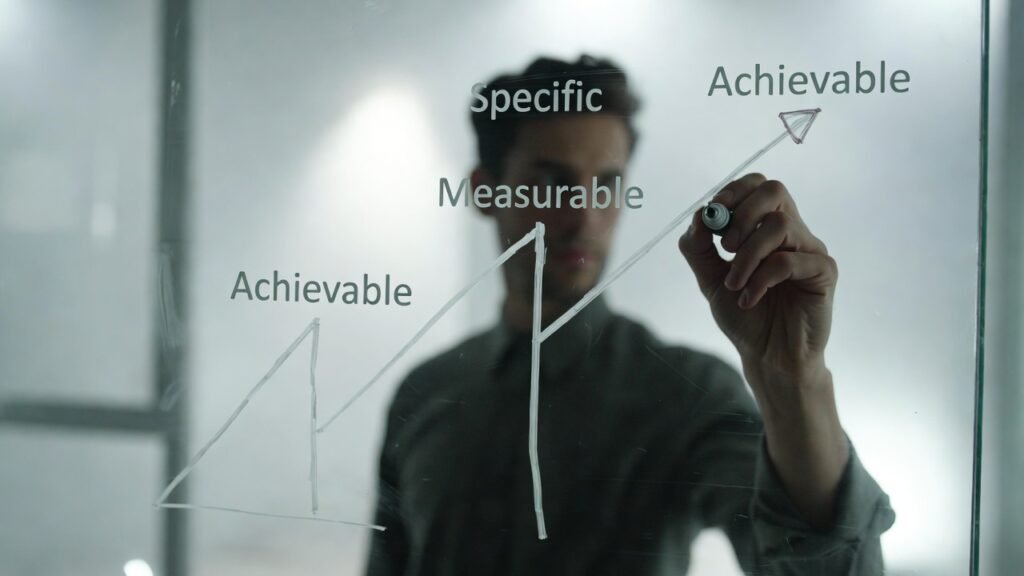
Recovering from a setback can feel daunting, but taking small, purposeful actions can greatly assist in regaining control over your circumstances. The first essential step is to set achievable goals. Rather than focusing on recovering everything at once, break your recovery process down into manageable goals. These goals should be specific, measurable, attainable, relevant, and time-bound (SMART). For example, if your setback relates to a career application, a practical goal might be to update your resume within the week.
Once you have established your goals, the next step is to create a structured action plan. This plan will serve as a roadmap for how to reclaim your power and it should outline each step needed to achieve your goals, along with timelines for accomplishing them. Writing down these steps reinforces your commitment and helps maintain your focus throughout the process. Ensure that your action plan includes contingencies, allowing you to adapt your strategies as you encounter new challenges.
Equally important is the need to seek support from friends, family, or mentors who can provide encouragement and guidance. Engaging with others not only helps you maintain motivation but also gives you access to different perspectives and advice. Surrounding yourself with a supportive network will equip you with the resilience needed to navigate setbacks. Additionally, consider joining community groups or local workshops, where like-minded individuals can share experiences and strategies for overcoming adversity.
Throughout this journey, remember that resilience and perseverance are crucial. Each step you take, no matter how small, contributes to your overarching goal of recovery. By systematically implementing these strategies on how to reclaim your power after a setback, you can gradually rebuild confidence and regain control over your life.
Celebrating Progress: Recognizing Your Strengths and Successes
In the journey of reclaiming your power after a setback, it is imperative to take the time to celebrate progress. This celebration, regardless of how minor it may seem, plays a crucial role in acknowledging your strengths and successes. Each small victory contributes to the larger narrative of resilience and recovery. When you pause to recognize these accomplishments, you foster a sense of self-worth that can significantly enhance your motivation and self-esteem.
The psychological benefits of celebrating progress are well-documented. Engaging in self-reflection allows you to evaluate your growth and realize how far you have come. This reflective practice helps you identify personal strengths that may have previously gone unnoticed, reinforcing a positive self-image. By focusing on what you have achieved rather than what you have failed to accomplish, you shift your mindset toward one of empowerment. This change in perspective is essential for learning how to reclaim your power after a setback.
Moreover, sharing your journey with others can elevate this experience, creating a community of support and inspiration. By vocalizing your triumphs, you not only affirm your progress but also motivate those around you who might be facing their challenges. Start a conversation about your journey, post about your milestones on social media, or engage in support groups. Each interaction serves to uplift both yourself and others, reinforcing the notion that overcoming setbacks is possible and achievable.
Remember, reclaiming your power is an ongoing process, and acknowledging your achievements—no matter how small—is a vital aspect of this journey. Celebrating these moments encourages a forward momentum, energizing the pursuit of your goals, and bolstering resilience for whatever life may present in the future.